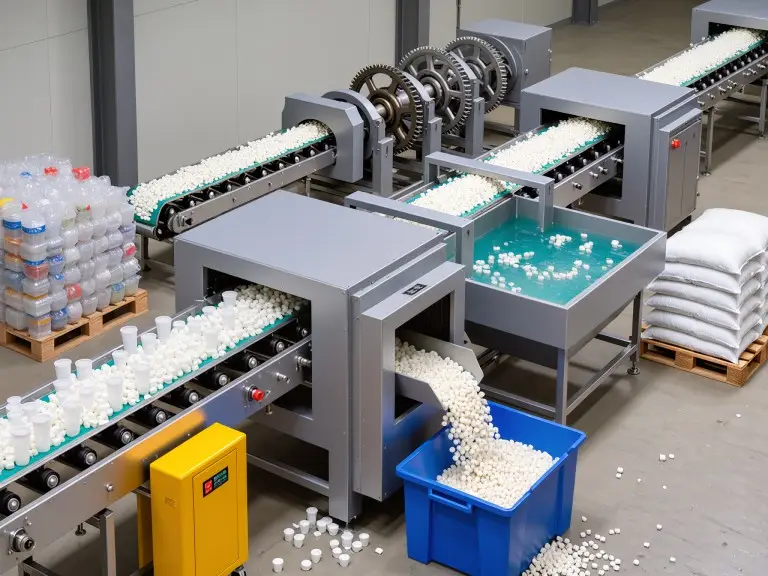
Polycarbonate (PC) is a high-performance thermoplastic renowned for its exceptional strength, durability, and impact resistance. Its combination of mechanical toughness, thermal stability, and transparency makes it a versatile material suitable for a wide range of industrial and consumer applications. The recyclability of PC adds to its appeal, enabling businesses to implement sustainable production practices while maintaining high-quality, durable products. PCplastic is increasingly used in sectors requiring materials that can withstand stress, impact, and environmental exposure without compromising performance.
Key Properties of PC Plastic
Polycarbonate offers a unique set of properties that make it ideal for impact-resistant applications. It exhibits high tensile strength and toughness, enabling it to resist cracking and deformation under mechanical stress. PC also maintains dimensional stability across varying temperatures and demonstrates excellent resistance to heat and UV exposure. Its transparency allows for aesthetic applications where clarity is important, such as in protective shields or consumer electronics. In addition, PC is chemically resistant to many acids and oils, enhancing its durability in industrial settings. These characteristics make it a reliable choice for demanding environments where performance and safety are critical.
Applications of Impact-Resistant PC
The impact resistance of PC enables its use across multiple industries. In electronics and consumer products, PC is commonly used for housings, screens, and protective covers that require strength and visual clarity. Automotive industries utilize PC for headlamp lenses, instrument panels, and interior components, benefiting from its combination of toughness and lightweight properties. Industrial applications include safety guards, protective barriers, and equipment housings where high-impact resistance is essential. PC is also used in medical devices, eyewear lenses, and transparent enclosures for machinery, demonstrating its versatility in applications requiring both durability and precision.
Recyclability and Sustainability
PC plastic is recyclable, supporting environmental sustainability and circular economy practices. Post-consumer and post-industrial PC can be collected, sorted, and reprocessed into high-quality recycled resin suitable for manufacturing new products. Using recycled PC reduces reliance on virgin materials, conserves natural resources, and minimizes energy consumption during production. Recyclable PC allows industries to achieve sustainability goals while maintaining performance standards. By integrating recycled PC into their operations, manufacturers can reduce environmental impact and promote responsible material usage.
Manufacturing and Processing Benefits
PC plastic is highly adaptable to various processing methods, including injection molding, extrusion, and thermoforming. These techniques allow manufacturers to produce complex shapes with precise dimensions, maintaining strength and clarity. PC can also be compounded with additives such as UV stabilizers, flame retardants, and colorants to meet specific application requirements. Its excellent flow characteristics and thermal stability support efficient manufacturing processes, reducing waste and improving productivity. The versatility of PC in processing ensures that industries can optimize both product performance and production efficiency.
Economic and Operational Advantages
Using PC plastic offers significant economic and operational benefits. Its durability reduces the likelihood of product failure, minimizing maintenance and replacement costs. Lightweight properties improve transportation efficiency, reducing shipping costs and energy consumption. Recycled PC provides cost savings while supporting eco-friendly production, enhancing the overall value chain. By investing in high-strength, impact-resistant PC, businesses can ensure product reliability, operational continuity, and sustainable manufacturing practices.
Challenges and Opportunities
Challenges in PC recycling include ensuring material purity, handling contamination, and maintaining consistent quality in recycled resin. Technological advancements in sorting, cleaning, and processing are improving the availability of high-quality recycled PC. Opportunities arise from increasing demand for durable, lightweight, and eco-friendly materials across industries. Companies that adopt recyclable PC for impact-resistant applications can meet both performance and sustainability requirements while gaining a competitive advantage in the market.
Conclusion
PC plastic delivers high-strength, impact-resistant, and recyclable solutions for a variety of industrial and consumer applications. Its combination of durability, clarity, thermal stability, and chemical resistance makes it suitable for demanding environments where performance and safety are critical. By incorporating recycled PC, manufacturers can reduce environmental impact, lower costs, and promote sustainable production. PC represents a versatile, high-performance material that supports innovation, durability, and responsible resource use in modern manufacturing.
About the Author